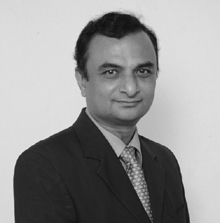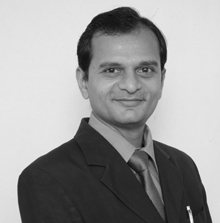
Dr.
Pradip Vaghasiya
M.D. (Psychiatry), D.P.M.

Best OCD(Obsessive Compulsive Disorder) Treatment in Ahmedabad
Obsessive-Compulsive Disorder (OCD) is a mental health condition characterized by unwanted, recurring thoughts (obsessions) and repetitive behaviors or mental acts (compulsions). If you or a loved one is struggling with OCD in Ahmedabad, we offer treatment focused on reducing symptoms and improving quality of life.
Our clinic offers the best OCD treatment in Ahmedabad through a combination of psychotherapy, medication, and patient-centered care. Our experienced mental health professionals create personalized treatment plans for every individual to address their unique challenges.
Why Choose Us for OCD Treatment?
We understand how OCD can impact daily life. Our team specializes in diagnosing and treating various forms of OCD, using therapeutic methods to reduce distress and restore normal functioning.
Treatments We Offer for OCD
- Exposure and Response Prevention (ERP): A gold-standard CBT method where patients are gradually exposed to feared thoughts while resisting compulsive behaviors.
- Cognitive Behavioral Therapy (CBT): Helps identify and challenge irrational beliefs fueling obsessions and compulsions.
- Medication Management: SSRIs and other medications can help reduce OCD symptoms. We monitor and adjust prescriptions for effectiveness and side effects.
- Mindfulness and Stress Reduction Techniques: Support patients in managing anxiety that triggers obsessive thoughts and compulsions.
Why Patients Trust Us
- Specialized therapists trained in OCD-focused CBT and ERP
- Personalized treatment plans and ongoing progress evaluations
- Supportive, confidential, and non-judgmental environment
- Emphasis on long-term symptom relief and relapse prevention
Talk to an OCD Specialist in Ahmedabad
Seeking OCD treatment in Ahmedabad? Early diagnosis and treatment greatly improve outcomes. Our team is here to help you or your loved one regain control over OCD and live a more fulfilling life.
Frequently Asked Questions (FAQs)
1. What is OCD?
OCD stands for Obsessive-Compulsive Disorder. It involves recurring, intrusive thoughts (obsessions) and repetitive behaviors (compulsions) aimed at reducing anxiety caused by those thoughts.
2. What are common OCD symptoms?
Common symptoms include excessive cleaning, checking, counting, ordering, and mental rituals. The individual may recognize these behaviors as irrational but feel unable to stop.
3. What causes OCD?
The exact cause is unknown, but factors include genetics, brain structure/function, and environmental influences like trauma or stress.
4. How is OCD diagnosed?
A mental health professional diagnoses OCD through clinical interviews, symptom assessments, and psychological evaluations based on DSM-5 criteria.
5. Is OCD curable?
OCD is not considered curable, but it is highly treatable. With consistent therapy and medication, most patients see a significant reduction in symptoms.
6. How long does OCD treatment take?
Treatment duration varies. Some may improve within a few months, while others may need long-term therapy and maintenance care.
7. Is medication always required?
Not always. Some patients manage OCD through therapy alone, but medications (especially SSRIs) can enhance recovery when symptoms are moderate to severe.
8. Can OCD worsen if untreated?
Yes. Without treatment, OCD can interfere with work, relationships, and daily functioning. Early treatment is key to better outcomes.
9. Can lifestyle changes help with OCD?
Yes. Reducing stress, maintaining a routine, and avoiding substances like caffeine and alcohol can help manage symptoms.
10. How can I support someone with OCD?
Be patient and understanding. Encourage them to seek professional help and avoid enabling compulsions. Learn about OCD to better support their recovery.